


Dental anxiety is a very common experience — millions of people put off or avoid dental care because the thought of treatment causes stress or fear. If you find yourself nervous before appointments, Crowns Now Family Dentistry offers calming, professionally managed sedation options that make necessary care easier to receive. Our approach is focused on safety, predictable results, and helping you maintain long-term oral health without the burden of anxiety.
Avoiding the dentist for fear of discomfort or embarrassment can allow small problems to become larger ones over time. Sedation dentistry exists to remove that barrier: it creates a relaxed state so patients can complete recommended care with less stress and more dignity. Many patients report that sedation transforms how they think about dental visits, allowing restorative and preventive care to proceed efficiently.
This page explains how sedation works, who benefits most, the methods we offer, and what to expect before, during, and after treatment. The goal is straightforward — to help you decide whether sedation is right for you and to know what questions to ask at your consultation.
Sedation dentistry is not one-size-fits-all; it’s a range of techniques designed to reduce anxiety and improve patient comfort while dental procedures are performed. Depending on the method used, sedation can produce anything from a gentle sense of calm to a deeper state of relaxation while you remain responsive to our team. Importantly, sedation is paired with local anesthesia so procedures are both comfortable and safe.
Beyond easing fear, sedation helps patients tolerate longer or more complex appointments without needing multiple visits. For people with a strong gag reflex, heightened sensitivity, or physical limitations that make sitting still difficult, sedation can make routine and advanced care feasible and effective. The aim is to let you receive the care you need with minimal stress and maximum clinical precision.
Our clinicians evaluate each patient’s health history, medications, and level of apprehension before recommending a sedation plan. That personalized assessment ensures the technique chosen aligns with your medical needs and the scope of the dental work being performed.
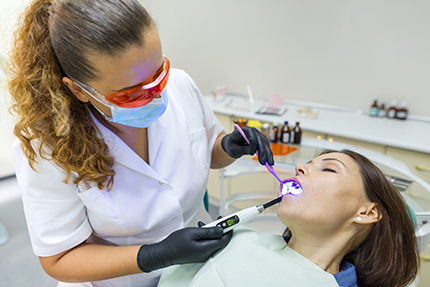
People choose sedation dentistry for different reasons. Some have generalized dental anxiety that makes any visit stressful, while others only feel uneasy about a specific treatment, such as extractions or root canal therapy. Sedation can remove that emotional barrier so treatment proceeds safely and calmly.
Sedation is also appropriate when clinical factors increase the complexity of care: long procedures, extensive restorative work that would otherwise require multiple appointments, or situations where a patient’s medical or physical condition makes staying still difficult. In these cases, sedation helps the dental team work efficiently while keeping the patient comfortable.
Additionally, sedation can be an effective tool for patients with a strong gag reflex, severe sensitivity, or certain neurodivergent or cognitive conditions that interfere with routine dental visits. The objective is always to enable treatment that preserves or restores oral health while minimizing discomfort and distress.
Dental phobia — For patients whose fear prevents any dental care, sedation makes appointments possible and productive.
Procedure-specific anxiety — When a particular treatment triggers anxiety, sedation can create a calmer experience and better cooperation.
Lengthy or complex treatment — Sedation helps patients tolerate longer visits and allows clinicians to complete more work in fewer appointments when appropriate.
Gag reflex or sensitivity — For patients who struggle with gagging or hypersensitivity, sedation reduces reflexes and sensory discomfort so clinicians can work safely.
Physical or cognitive limitations — Sedation supports the delivery of care for patients who have difficulty remaining still due to medical or developmental conditions.
High dental sensitivity — When normal dental stimuli cause significant discomfort, sedation combined with local anesthesia provides a far more tolerable experience.
Selecting a sedation option is a collaborative decision between you and your dental team. We review your medical history, current medications, allergies, and the complexity of the planned procedure to identify the safest, most effective approach. Patient preference is also part of the discussion — some people want only a mild calming effect, while others prefer deeper relaxation.
Sedation techniques vary in depth and administration method, and each has distinct preparatory requirements and recovery expectations. A clear explanation from your provider helps you know what to expect and how to plan for the appointment day, including whether you’ll need someone to accompany you home.
Below are the common categories of sedation used in dental practice, described in practical terms so you can compare how they work and what they provide.
Most dental sedations performed in the office are forms of conscious sedation, meaning patients remain breathing on their own and can respond to verbal cues, while feeling calm and often with limited memory of the procedure. General anesthesia, by contrast, is a medically induced unconscious state typically reserved for hospital settings and for patients who cannot tolerate other measures. Office-based conscious sedation is appropriate for the majority of patients needing anxiety control for dental work.
Understanding this distinction helps set realistic expectations: conscious sedation reduces awareness and anxiety but preserves spontaneous breathing and basic responsiveness; deep anesthesia requires advanced monitoring and is managed by anesthesiology specialists in an appropriate facility.
Conscious sedation can be delivered in several ways depending on how much relaxation is necessary and how quickly the medication should take effect. Your dentist will describe the pros and cons of each option and confirm any instructions you must follow beforehand, such as fasting for deeper forms of sedation.
In addition to easing anxiety, these techniques help patients remain comfortable when dental instruments, suction, and prolonged positioning would otherwise be intolerable. Monitoring during treatment ensures vital signs remain stable and recovery is smooth.
Below are the three most commonly used methods in general dental practice, with concise notes on what to expect with each.
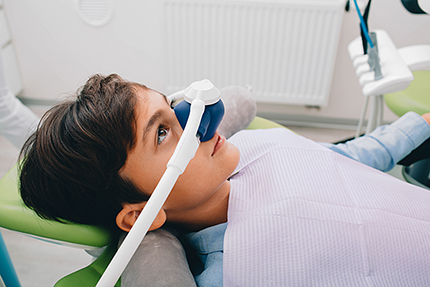
Nitrous oxide is inhaled through a small nasal mask to produce a mild, quickly reversible calming effect. It’s useful for patients with mild to moderate anxiety and those who want an option that wears off rapidly so they can return to normal activities soon after the appointment. Effects begin and end within minutes once the gas is started or stopped.
Oral sedation involves a prescribed medication taken before the visit to produce a deeper sense of relaxation. The level of sedation ranges from light drowsiness to a near-sleep state depending on the medication and dose. Patients using oral sedation should plan to have a companion available for transportation home and initial supervision after the appointment.
IV sedation is administered directly into a vein and provides a controllable, often deeper level of sedation that can be adjusted by the clinician during treatment. Because it acts quickly and can be tailored as needed, IV sedation is commonly used for extensive procedures. Specific pre-appointment instructions — such as fasting — and post-appointment supervision requirements apply.
Preparation reduces risk and makes recovery predictable. Before receiving sedation, you will complete a medical history review and discuss any medications, supplements, or health conditions that might affect sedation choice. Honesty about your medical background is essential to ensure safe care.
Certain sedation methods require fasting for a specified period beforehand; others do not. If you receive oral or IV sedation, arrange for someone to drive you home and remain with you for a short time afterward. We provide clear pre- and post-procedure instructions tailored to the method used so you know how to plan your day safely.
Most patients recover quickly from conscious sedation and experience minimal lingering effects, though some drowsiness can persist for several hours. Following the dentist’s recovery guidelines — including resting, avoiding driving until fully alert, and resuming medications as directed — helps ensure a smooth return to normal activity.
Safety is the top priority when sedation is used. Our clinical team monitors vital signs throughout the procedure and follows established protocols to manage airflow, circulation, and comfort. Equipment and emergency measures are available and staff are trained to respond quickly should an unexpected situation arise.
After treatment, you’ll be observed until it is clinically safe for you to leave the office. Clear recovery instructions — including activity limitations and signs to watch for — will be provided. If you or a caregiver have questions during the recovery period, the dental team is available to clarify next steps.
When managed properly, sedation dentistry is a reliable way to receive necessary dental care with minimal anxiety. If you think sedation might help you get the care you need, we encourage you to discuss options during your next visit.
In short, sedation dentistry removes fear as a barrier to treatment and lets clinicians deliver high-quality care in a calm, controlled environment. If you’d like to learn more about how sedation might apply to your dental needs, contact us for additional information and to schedule a consultation.
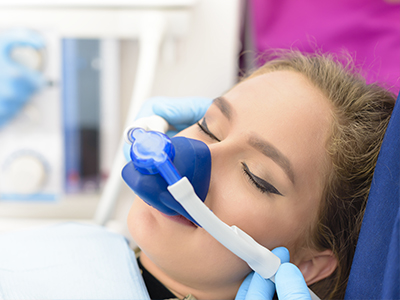
Sedation dentistry offers patients with general anxiety or fears about a dental procedure the opportunity to have a more comfortable and stress-free experience. By utilizing safe and controlled sedation techniques, the patient is eased into a state of complete relaxation before the procedure. This approach eliminates discomfort, pain, and preoperative anxiety, and typically makes patients feel more at ease post-operatively, as they have little or no memory of the actual moment-to-moment procedure.
Local anesthesia involves an injection directly into or close to the area where a procedure is being performed. While it eliminates any sensation of pain in the targeted area, it does not affect your state of mind or level of anxiety. When a patient receives sedation, additional medications to ease anxiety and promote relaxation are employed in advance of local anesthesia. In this way, both the stress and discomfort associated with a procedure are eliminated. Sedation can be administered in a variety of forms based upon patient needs and the recommendations of the dentist or dental anesthesiologist.
Choosing the most appropriate method of sedation for a procedure depends on a variety of factors such as a patient's medical history and their level of anxiety. Dental sedation can come in the form of nitrous oxide sedation, oral conscious sedation, and IV sedation. Certain patients receiving comprehensive treatment or undergoing a complex surgical procedure may require general anesthesia in a hospital setting.
Nitrous oxide, or "laughing gas," is a mild sedative, which is inhaled through a small mask over the nose. A standard in dental sedation for decades, the effects of nitrous oxide are almost immediate and wear off quickly once your procedure is completed.
Oral sedation involves the prescription of an oral medication prior to your appointment. Taken at the recommended time before your visit, oral sedation allows you to feel fully relaxed by the time you're ready for your procedure. With oral sedation, it's necessary to plan on having an escort to and from your dentist's office.
IV Sedation is administered intravenously, or directly into a vein. It is typically indicated when a deeper state of sedation is required. Your dentist will provide you with specific instructions before your visit, and require that you have an escort for the trip home from your appointment.
Sedation dentistry uses medications to help patients relax during dental procedures while remaining safe and comfortable. These medications range from mild inhaled agents to stronger oral or intravenous drugs and are selected based on the patient’s needs and the complexity of the treatment. Sedation can reduce anxiety, minimize gagging, and make longer appointments more tolerable for patients who would otherwise avoid care.
Most forms of dental sedation produce a calming effect and in some cases a partial or complete lack of memory of the procedure, which many patients find reassuring. Sedation is always combined with local anesthesia so the treatment area is numb and free of pain. Your dental team will explain what to expect before, during, and after sedation to ensure you understand the process and feel comfortable with the plan.
Candidates for sedation dentistry include people with significant dental anxiety or phobia, those with a strong gag reflex, and patients who require extensive or multiple procedures in one visit. It is also commonly used for individuals who have difficulty sitting still for treatment, such as some children, people with special needs, or patients with certain medical conditions. The decision to use sedation is based on a thorough review of medical history, current medications, and the specific dental work planned.
Your dentist will screen for any contraindications and discuss which sedation option is safest and most effective for you. Not every patient needs deep sedation; many benefit from mild inhalation or oral options. If a case requires deeper sedation beyond the dental office scope, your team will recommend appropriate referral or coordination with an anesthesiologist.
Common office-based sedation methods include inhalation sedation with nitrous oxide, oral sedation using prescribed medications, and intravenous (IV) sedation for deeper levels of relaxation. Nitrous oxide is a fast-acting, mild sedative that wears off quickly and is well suited for patients with mild to moderate anxiety. Oral sedation involves a prescribed pill taken before the appointment and can range from mild to moderate sedation depending on the medication and dose.
IV sedation is administered directly into a vein and provides more precise control of sedation level, making it appropriate for more complex or longer procedures. All sedation choices are tailored to the patient’s medical history and treatment needs, and monitoring equipment is used to ensure safety throughout the visit. Your dentist will explain the benefits and limitations of each option to help you make an informed decision.
Conscious sedation produces a relaxed, often drowsy state in which the patient remains responsive to verbal cues and maintains independent breathing and cardiovascular function. Patients under conscious sedation experience reduced awareness and may have limited recollection of the procedure, but they are not fully unconscious. This approach is appropriate for many dental treatments that require anxiety control without the risks and resources associated with deep anesthesia.
General anesthesia, by contrast, renders a patient completely unconscious and is typically administered in a hospital or surgical center by an anesthesiologist. It is reserved for cases where deep sedation is medically necessary or when other methods cannot provide adequate control of anxiety or movement. Your dental team will recommend the appropriate level of sedation based on safety, medical considerations, and the scope of the procedure.
Sedation dentistry is safe when administered by trained professionals who follow established protocols for patient evaluation, dosing, and monitoring. Before recommending sedation, your provider will review your medical history, current medications, and any allergies to identify potential risks and adjust the plan accordingly. During sedation, vital signs are continuously monitored and staff are prepared to respond to any unexpected changes.
Risk is minimized by selecting the appropriate sedation modality for each patient and by following pre- and post-procedure instructions carefully. Patients with complex medical histories may require consultation with a physician or anesthesiologist to ensure a coordinated, safe approach. Clear communication about health status and medications is essential to achieving a safe outcome.
At the start of your appointment the dental team will review your health history, confirm your consent, and place monitoring devices to track heart rate, blood pressure, and oxygen levels. The selected sedative will be administered and adjusted as needed to achieve the planned level of relaxation while local anesthesia is used to numb the treatment area. Throughout the procedure your provider will communicate with you and monitor your condition to maintain comfort and safety.
After the procedure you will be observed until the effects of the sedative have diminished sufficiently for safe discharge. Some patients experience limited memory of the visit, grogginess, or mild nausea during recovery and will need time to rest. At the office of Crowns Now Family Dentistry, staff will review post-operative care instructions and confirm any escort arrangements before you leave.
Preparation for oral or IV sedation typically includes following specific instructions about fasting, medication use, and transportation, which your dental team will provide in advance. Patients are usually advised to avoid eating or drinking for a set period before IV sedation to reduce the risk of nausea and aspiration, and to follow guidance about taking or pausing routine medications. It is important to bring a responsible adult to drive you home and stay with you as instructed for the remainder of the day.
Wear comfortable clothing and avoid alcohol or recreational drugs before your appointment, and bring a list of current medications and medical conditions to the visit. Clear communication about any recent changes in health or medications helps your provider tailor the sedative plan safely. If you have questions about preparation, contact the office before your appointment so staff can clarify instructions.
Yes, patients who receive oral or IV sedation should have a responsible adult accompany them to the appointment and drive them home afterward. These sedatives can cause lingering drowsiness and impaired judgement for several hours, making it unsafe to drive, operate machinery, or make important decisions alone. For nitrous oxide sedation, an escort is usually not required because the effects wear off rapidly, but your team will confirm the recommendation based on your individual plan.
Your escort should be prepared to stay with you as directed and help ensure you follow post-operative instructions including rest, hydration, and any prescribed medications. The dental staff will explain how long you should avoid certain activities and when it is safe to resume normal routines. Planning ahead for transportation and aftercare helps ensure a smooth recovery.
Common, short-term side effects of dental sedation include drowsiness, lightheadedness, dry mouth, and in some cases mild nausea or temporary memory gaps related to the procedure. These effects typically resolve within a few hours, and patients are advised to rest and avoid driving until fully alert. The dental team provides specific post-sedation instructions to help manage symptoms and support recovery.
Serious complications are rare but can occur, which is why trained providers carefully screen patients and use monitoring equipment during sedation. If any unexpected reactions arise, staff are prepared to intervene promptly and follow emergency protocols or arrange for higher-level medical care if necessary. Open communication about your health history and medications before treatment significantly reduces risk.
Crowns Now Family Dentistry offers sedation options as part of a comprehensive approach to patient comfort and safe, efficient care across multiple South Carolina locations. The practice emphasizes individualized treatment planning, thorough pre-sedation evaluation, and continuous monitoring during procedures to ensure patient safety. Experienced clinicians and trained support staff work together to match the appropriate sedation level to each patient’s needs and medical history.
Choosing a practice with clear communication and established sedation protocols helps patients feel more confident about receiving necessary dental treatment. Your team will explain the recommended sedation method, provide detailed preparation and recovery instructions, and remain available to answer questions before and after your appointment. If your case requires advanced anesthesia services, the practice will coordinate care with qualified specialists to ensure the best possible outcome.
Quick Links
Contact Us