


Dental emergencies can be sudden and unsettling — a severe toothache that wakes you at night, a crown that comes off during dinner, or an unexpected injury that leaves a tooth fractured. When urgent oral problems arise, timely evaluation and treatment limit pain, reduce the risk of infection, and improve the chances of saving natural teeth. Our teams understand how stressful these moments are and focus on rapid, evidence-based care to stabilize your situation.
Emergency treatment is not limited to dramatic injuries. Persistent oral swelling, unexplained bleeding, or new lumps and sores in the mouth can all require urgent attention. While some issues can be managed temporarily at home, others need professional assessment to prevent complications that affect chewing, speech, and overall health. We encourage patients to treat severe or persistent symptoms as a true priority rather than waiting for them to resolve on their own.
Crowns Now Family Dentistry provides structured emergency care across our locations to help patients access prompt treatment when they need it. Our approach blends fast, practical solutions for immediate relief with clear plans for follow-up care — because short-term stabilization and long-term outcomes both matter.
There are a number of situations that qualify as dental emergencies. Acute tooth pain that does not respond to over-the-counter medication, a cracked or broken tooth that exposes the inner layers, an abscess or visible swelling, and knocked-out teeth are all examples. Problems with dental restorations — loose fillings, dislodged crowns, or broken dentures — can also create urgent functional and comfort issues and should be evaluated quickly.
Soft-tissue injuries are another frequent cause for urgent care. Cuts to the lips, cheeks, or tongue; accidental bites that cause persistent bleeding; and suspicious sores or lesions that appear suddenly all deserve a professional examination. Rapid assessment helps control bleeding, rule out deeper injury, and begin appropriate treatment such as suturing, antimicrobial mouth rinses, or prescription medication when indicated.
Knowing when to seek emergency care can be confusing. As a general rule, if the problem causes intense pain, distressing swelling, trouble breathing or swallowing, uncontrolled bleeding, or a sudden change in appearance or function, seek care right away. For less severe concerns, contacting your dental office for advice will help you determine whether an immediate visit is necessary or if a scheduled appointment is appropriate.
Emergency appointments begin with a focused triage to understand the patient’s symptoms, medical history, and any medications or allergies that could affect treatment. We prioritize pain relief and stabilization — this may include local anesthetic to eliminate acute pain, short-term splinting of a loose tooth, or incision and drainage for a localized abscess to reduce pressure and infection risk. Communication about next steps is part of every examination so patients know what to expect.
Diagnostic imaging and clinical testing often follow the initial exam. Digital X-rays or three-dimensional scans help pinpoint the extent of damage, detect hidden fractures, and reveal infection that is not clinically obvious. These tools let clinicians make precise recommendations quickly, balancing immediate needs with the most appropriate long-term solution.
In many cases, emergency care focuses on temporary measures that relieve symptoms and protect the tooth until definitive treatment can be provided. That could mean placing a temporary restoration, covering an exposed nerve, or prescribing antibiotics when an infection is suspected. A clear follow-up plan is arranged so patients can complete any necessary definitive care, such as root canal therapy or a permanent crown, with minimal delay.
When teeth are damaged but salvageable, conservative procedures are the first line of treatment. Small cavities or fractures may be repaired with new fillings or dental bonding to restore the tooth’s shape and strength. Larger breaks often require a custom crown to rebuild the tooth and protect it from further damage. If the injury extends to the pulp — the tooth’s nerve and blood supply — root canal therapy is commonly used to remove infected tissue and preserve the natural tooth.
There are times when extraction is the safest or most practical option, particularly when a tooth is severely fractured, mobile, or has advanced infection that cannot be predictably resolved. Modern dental care emphasizes replacing missing teeth promptly to maintain oral function and prevent shifting of adjacent teeth. Contemporary replacement options include fixed bridges, implant-supported restorations, and removable prostheses, each selected based on the patient’s clinical needs and treatment goals.
During emergency treatment we focus on solutions that restore comfort and function while setting the stage for long-term success. The practice coordinates urgent care with subsequent appointments for permanent restorations, and we discuss restorative choices with patients so they can make informed decisions about their oral health.
Proper aftercare is essential for a smooth recovery following any emergency dental procedure. Post-treatment instructions typically cover wound care, pain management, dietary recommendations, and signs of infection to watch for. Following these guidelines — avoiding hard foods, maintaining gentle oral hygiene around treated areas, and taking prescribed medications as directed — speeds healing and reduces the need for additional intervention.
Follow-up visits are important to confirm that treatment has been successful, to place permanent restorations if needed, and to address any lingering symptoms. If an infection was present, clinicians monitor healing closely and may adjust care if progress is slower than expected. Patients should contact their dental team if they experience increasing pain, swelling, fever, or any new concerns after treatment.
Preventive measures can lower the likelihood of future emergencies. Routine exams and timely treatment of decay, using protective mouthguards for sports, and addressing bite-related problems proactively all contribute to long-term oral stability. Education about safe home care and recognizing early warning signs empowers patients to seek care before problems escalate.
In summary, timely emergency dental care reduces pain, prevents complications, and preserves oral health. If you or a family member experiences a sudden dental problem, seek professional evaluation promptly. Contact us to learn more about our emergency treatment approach or to arrange an urgent appointment for additional guidance and support.

Pain is your body's way of signaling that something is not quite right and though there are many reasons for oral pain, one of the most common complaints and reasons for seeking urgent dental care is a toothache. Whether you simply need a dental filling, a crown, or require a root canal procedure to save your tooth, we'll alleviate your discomfort and restore the look and function of the involved tooth.
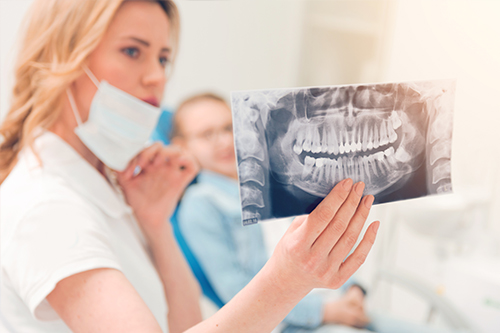
Dental trauma can result in a defect as minor as a small chip in tooth enamel to a more extensive and painful crack or fracture. With sufficient force, a tooth can even be displaced or completely knocked out of its socket. With prompt emergency care, many injured teeth can be restored and saved.
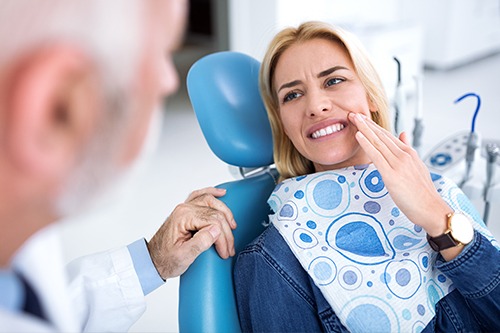
The last teeth in your mouth to develop, wisdom teeth often do not have enough room to fully erupt or may be positioned in the wrong direction. These issues can affect your dental health as well as overall well-being. Our office provides skilled care to address the complications caused by problematic wisdom teeth.
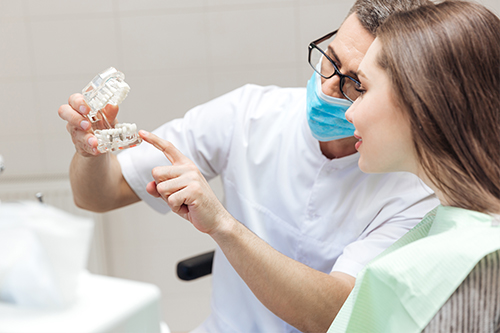
A broken or lost dental prosthesis or restoration can cause embarrassing gaps in your smile as well as compromise your ability to eat and speak with ease. If you've lost or broken a dental filling, denture, crown, or other dental appliance, you can rely on our office to perform a prompt repair or provide a durable and cosmetically pleasing replacement as quickly as possible.
At the office of Crowns Now Family Dentistry, emergency appointments are always available. Of course, in addition to providing top treatment for dental emergencies, we also welcome patients searching for high quality and affordable care. We offer a complete range of the latest and best cosmetic and dental services for every member of your family.
If you are suffering from a toothache or have sustained a dental injury, it is important to visit the dentist as soon as possible before more serious complications arise. Whether your dental emergency is painful, if it affects the appearance of your smile, or if you suspect that an infection is present, our office will make every effort to see you as promptly as possible for care.
At the office of Crowns Now Family Dentistry, we treat your dental emergency as our top priority. Our caring team will respond to your emergency call right away, making sure you get the gentle, state-of-the-art care you need without delay.
As your trusted emergency dentist in GreenvilleGreenvilleGreerIrmoWoodruff, we provide the highest quality of care to mitigate the stress, anxiety, and discomfort of dental problems. Our dedicated team will help you start feeling better as soon as we receive your emergency call.
At the office of Crowns Now Family Dentistry, we provide skilled and experienced care to effectively resolve a broad range of dental emergencies, restoring a patient's oral health while protecting their overall wellbeing.
However, even so, specific dental emergencies pose significant threats to one's health. These situations require immediate, emergency room care. Serious and potentially life-threatening dental emergencies include significant oral and facial trauma such as jaw fractures, deep wounds or lacerations to the face and mouth, an abscess or infection that causes widespread facial or submandibular swelling, or affects breathing and swallowing.
At the office of Crowns Now Family Dentistry, we provide prompt, skilled, and experienced care to address dental emergencies. We understand that finances are always a concern and do our best to provide options in care that are both affordable and respect your budget.
Once we've had the opportunity to examine your smile, we can give you a clear picture of any existing dental issues, along with a quote for what the cost of treatment will be. The cost of care all depends upon the extent and complexity of issues affecting the health or appearance of your smile and the types of procedures that are required.
To help alleviate any additional stress or delay, you can count on our staff to work with you to optimize coverage for your dental care and to minimize your out-of-pocket expenses. For patients without insurance, we strive to make things easier as well! We invite you to visit our financial information page or speak to an expert in our business office.
Dental emergencies are often painful and debilitating experiences. For this reason it's important to have an emergency dentist in GreenvilleGreenvilleGreerIrmoWoodruff, who welcomes patients with urgent dental needs while providing the prompt care required to restore oral health.
Here are just some of the reasons why so many patients choose our office for emergency dental care and to meet their family's dental needs:
We're dedicated to helping patients enjoy good oral health and beautiful smiles. We look forward to helping you keep your smile in tip-top condition. You can rest assured that our highly skilled office team will provide you the highest quality of state-of-the-art dental care and have you smiling again in no time!
To make an appointment or for more information on our office and the many state-of-the-art services we provide, give us a call today.
A dental emergency is an oral condition that requires prompt professional attention to relieve severe pain, control infection, or preserve teeth and oral structures. Common examples include intense toothache that does not respond to over-the-counter medication, a knocked-out tooth, a tooth that is fractured and exposing the inner layers, and rapidly spreading facial swelling. Uncontrolled bleeding, trouble breathing or swallowing, and sudden changes in appearance or function also warrant immediate evaluation. Less dramatic concerns such as persistent sores, unexplained bleeding, or a dislodged restoration can become urgent and should be assessed rather than ignored.
Determining whether to seek emergency care can feel confusing, so erring on the side of caution is wise when symptoms are severe or progressive. Our teams across Greenville, Greer, Irmo and Woodruff are prepared to triage urgent situations and advise next steps based on the urgency and clinical findings. For nonlife‑threatening problems, contacting your dental office for guidance will help you decide if an immediate visit is needed or if scheduling a near‑term appointment is appropriate. Prompt attention often reduces pain, shortens recovery time, and increases the chances of saving natural teeth.
If a permanent tooth is knocked out, quick action can greatly increase the chance of successful reimplantation. Pick up the tooth by the crown (the chewing surface), avoid touching the root, and if it is dirty rinse it gently with water for no more than 10 seconds; do not scrub or use soap. If possible, try to reposition the tooth into its socket and hold it in place, or keep the tooth moist by placing it in milk or a saline solution; storing it in the mouth between the cheek and gums is another option if the patient is alert and not at risk of swallowing.
Transport the tooth and the injured person to urgent dental care immediately because time is a critical factor in reimplantation success. If reimplantation is not possible en route, the dental team can still attempt stabilization and plan definitive care to preserve function and appearance. The initial emergency visit will focus on stabilization, pain control, and imaging to assess damage to the tooth and surrounding bone. Follow-up appointments are typically needed to monitor healing and complete restorative steps if the tooth can be saved.
Home measures can provide temporary relief but are not a substitute for professional evaluation when pain is severe or persistent. Over-the-counter analgesics taken according to label instructions can reduce discomfort, and applying a cold compress to the cheek in 10‑ to 15‑minute intervals may help control swelling and numb pain. Avoid placing aspirin directly on the gums or tooth, and steer clear of very hot or cold foods that can increase sensitivity if a tooth nerve is exposed.
Rinsing gently with warm salt water can help clean the area and reduce irritation, while soft foods and cautious chewing on the opposite side may limit further trauma. If swelling, fever, difficulty breathing or swallowing, or spreading redness occurs, seek immediate care because these signs may indicate an advancing infection. Your dental team will prioritize pain control and stabilization during the emergency visit and advise on definitive treatments to resolve the underlying cause.
Facial swelling and oral infections vary from mild to life‑threatening, and certain signs indicate an emergency that requires immediate attention. Rapidly increasing swelling, swelling that affects the eye or neck, difficulty breathing or swallowing, fever, and severe pain suggest that an infection may be spreading and should be treated urgently. Localized abscesses may be painful and dangerous if left untreated because bacteria can invade deeper tissues and, in rare cases, enter the bloodstream.
During an emergency visit clinicians will assess the extent of infection, control pain, and, when appropriate, perform procedures such as incision and drainage and begin targeted antimicrobial therapy. Imaging helps define the spread of infection and identify any involvement of bone or adjacent spaces that requires more intensive care. Close follow‑up is essential until the infection is resolved and any needed definitive procedures are completed.
An emergency visit begins with a focused triage to document symptoms, current medical history, medications, and any allergies that could influence treatment. The clinical exam prioritizes pain relief and stabilization; this may include local anesthesia, temporary splinting of a loose tooth, placement of a provisional restoration, or incision and drainage for an abscess. Diagnostic imaging such as digital X‑rays or three‑dimensional scans is commonly used to determine the extent of injury and guide immediate decisions.
Often the first treatment is temporary and intended to protect the tooth and reduce symptoms until definitive care can be scheduled. Emergency care may include prescribing medications, arranging follow‑up appointments for root canal therapy or a permanent crown, or referring to a specialist for complex surgical needs. Clear communication about next steps and expected timelines is part of the visit so patients know what to anticipate during recovery and restoration.
A dislodged crown or filling frequently causes discomfort and functional problems and can usually be managed promptly in an emergency setting. If you still have the restoration, bring it with you because the dentist may be able to recement or temporarily reattach it, stabilizing the tooth and alleviating sensitivity. When the restoration is damaged or the underlying tooth is decayed or fractured, temporary protective measures can be placed to reduce pain and prevent further harm until permanent treatment is arranged.
The clinician will evaluate whether the tooth requires more extensive care such as a new crown, core buildup, or root canal therapy if the pulp is affected. In many cases a short‑term appointment addresses immediate needs while a second visit completes definitive restorative work. Timely assessment helps avoid additional complications like infection or worsening structural damage.
Emergency treatments aim to relieve pain, reduce infection risk, and protect the injured tooth until permanent care is provided. Common stabilizing procedures include placing a temporary restoration to cover exposed dentin or pulp, splinting a mobile tooth to adjacent teeth, performing a limited root canal to remove infected tissue, and incision and drainage of localized abscesses when indicated. Local anesthetic and short courses of medication may be used to control pain and inflammation during the acute phase.
Diagnostic imaging guides these interventions and helps determine whether the tooth is salvageable or if extraction is the safer option. After stabilization the dentist will outline options for definitive treatment such as a full root canal and crown, a fixed bridge, or an implant‑supported restoration, depending on clinical findings and long‑term prognosis. Coordinated follow‑up care ensures the temporary measures are converted to durable solutions that restore function and appearance.
Extraction may be the most appropriate emergency treatment when a tooth is severely fractured, has extensive decay that cannot be predictably restored, is extremely mobile due to trauma, or is associated with an infection that cannot be controlled by conservative means. The decision to extract balances the desire to preserve natural teeth with the need to protect overall oral and systemic health. In situations where a tooth poses an ongoing risk to surrounding tissues or the airway, prompt removal is often the safest course.
When extraction is performed, the emergency visit will include measures to control bleeding and manage pain, and the dentist will discuss options for replacing the missing tooth to preserve function and prevent drifting of adjacent teeth. Replacement options are planned based on the patient’s clinical needs and may involve collaboration with specialists if implants or advanced restorative procedures are recommended. Follow‑up care focuses on healing, preventing infection, and arranging definitive restorative treatment.
Proper aftercare supports healing and reduces the chance of complications following emergency dental procedures. Typical instructions include keeping the area clean with gentle rinsing as directed, avoiding hard or chewy foods that could dislodge temporary restorations, using prescribed or recommended analgesics responsibly, and applying cold packs to reduce swelling during the first 24 to 48 hours. Smoking and vigorous rinsing or spitting should be avoided when surgical sites or extractions are involved because these actions can disrupt clot formation and delay healing.
Watch for signs of complications such as increasing pain, swelling, fever, persistent bleeding, or unusual drainage, and contact your dental team promptly if any of these occur. Your provider will schedule follow‑up visits to monitor healing, remove sutures if necessary, and complete definitive restorative care. Clear communication and adherence to aftercare directions speed recovery and improve long‑term outcomes for the treated tooth or area.
At Crowns Now Family Dentistry, emergency care is structured to combine immediate stabilization with a clear plan for follow‑up and definitive treatment. Following the urgent visit, clinicians review diagnostic findings, explain restorative options such as root canal therapy, crowns, extractions with replacement planning, or specialist referral, and arrange the necessary appointments to complete care in a timely manner. The practice uses digital imaging and coordinated scheduling across our Greenville, Greer, Irmo and Woodruff locations to streamline continuity of care.
When specialized procedures are needed, the emergency team collaborates with in‑office or trusted referral providers to ensure patients receive appropriate definitive treatment. Patient education about home care, warning signs, and recovery expectations is provided so individuals can participate actively in their healing process. This coordinated approach helps preserve oral health, restore function, and minimize the chance of recurrent emergency problems.

Quick Links
Contact Us