


At Crowns Now Family Dentistry, we focus on restorations that blend strength, comfort, and natural appearance. Advances in dental materials and digital workflows mean we can rebuild damaged teeth with solutions that look and feel like the real thing, while preserving as much healthy tooth structure as possible. Our approach stresses careful diagnosis and individualized treatment so every restoration supports long-term oral health.
Tooth enamel is remarkably durable, but it is not invincible. Deep decay, fractures, large existing fillings, or the effects of clenching and grinding can leave a tooth too weak to be repaired with a simple filling. In situations where the tooth’s remaining structure cannot reliably withstand biting forces, a full-coverage restoration is a safer, longer-lasting option.
All-ceramic crowns have emerged as a leading choice for many restorative needs because they combine excellent aesthetics with predictable strength. Being metal-free, modern ceramic crowns offer improved biocompatibility and a natural translucency that closely mimics real teeth. Below, we explain when crowns are recommended, what ceramic options can achieve, and how we plan and place these restorations for lasting results.
A crown becomes the preferred solution whenever a tooth’s form or function is significantly compromised. Unlike a filling, which fills a localized cavity, a crown covers and protects the entire visible portion of the tooth above the gumline. This full coverage helps distribute chewing forces and prevents further breakdown of weakened tooth structure.
Dentists commonly recommend crowns after root canal therapy because the treated tooth tends to be more brittle and more vulnerable to fracture. Crowns are also the standard restoration to cap dental implants, providing a durable, tooth-like replacement that restores chewing ability and facial contour.
Other situations where a crown is often indicated include extensive decay that removes large portions of a tooth, a fractured or broken tooth that cannot be reliably rebuilt with a filling, and teeth that serve as anchors for a bridge. A crown can also improve function and appearance for teeth that are misshapen, darkly stained, or poorly proportioned.
When we evaluate whether a crown is right for you, we look at the tooth’s remaining structure, bite forces, aesthetic needs, and long-term prognosis. That assessment allows us to recommend a restoration that balances durability and appearance for the specific tooth involved.
To repair and rebuild a tooth with extensive structural damage due to decay or trauma
To replace a large or broken filling
To restore a dental implant
To provide full coverage for the abutment teeth that support a dental bridge
To strengthen and protect a tooth that has undergone root canal therapy
To improve the look of an undersized, misaligned, stained, or misshapen tooth
To address bite-related issues that threaten tooth stability

Modern ceramic crowns are engineered to replicate the optical properties of natural teeth—how they reflect and transmit light—so restorations can blend seamlessly with adjacent teeth. The result is a lifelike appearance without the dark lines at the gumline that can occur with metal-based options. This makes ceramic crowns an excellent choice for both front and back teeth, depending on the material selected.
Beyond aesthetics, contemporary ceramic materials offer meaningful strength and wear resistance. Improvements in material science mean that some ceramics now rival metal-based restorations in durability while remaining entirely metal-free. That metal-free composition reduces the risk of allergic reactions and often improves how the surrounding gum tissue responds.
Ceramic crowns also allow for more conservative tooth preparation in many cases; certain materials can be fabricated thinner while still providing the needed strength. Thinner restorations can preserve more of the natural tooth and help maintain overall tooth vitality and structure.
Finally, ceramic crowns are resistant to staining and discoloration, maintaining their appearance over time when proper oral hygiene is observed. Their combination of aesthetics, biocompatibility, and durability explains why they are a popular restorative choice for patients seeking reliable, natural-looking results.
Lifelike translucency and color matching that mimic natural enamel
Options that require less tooth removal with thinner material profiles
Metal-free construction that reduces the chance of allergic or galvanic reactions
Gentler interaction with surrounding gum tissue for healthier soft-tissue responses
Strong resistance to surface staining and long-term discoloration
Restorations without an unsightly metal margin at the gumline
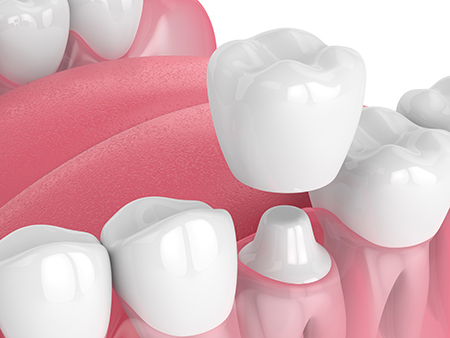
Not all ceramic crowns are the same. Different ceramic systems vary in strength, translucency, and how they are fabricated, which affects which material is best for a particular tooth. Factors such as the tooth’s position, the amount of bite force it must tolerate, and the desired cosmetic outcome all influence the selection.
For example, front teeth often demand the highest level of translucency and precise color matching, while back teeth require materials with exceptional fracture resistance for chewing. Some ceramics are pressed and layered for optimal aesthetics, while others are milled as a solid, monolithic piece for maximum strength.
We work with several proven ceramic options so we can match the material to the clinical need. Our evaluations consider the tooth’s anatomy, your bite, and the long-term goals for the restoration so you receive a crown that performs well and looks natural.
Common ceramic choices include materials designed for beauty, materials designed for strength, and hybrid approaches that balance both. Below are examples of widely used ceramic systems that offer reliable outcomes when selected appropriately.
Lithium Disilicate porcelain crowns
Leucite-reinforced pressable porcelain crowns
Solid or monolithic zirconia for high-strength needs
High-translucency zirconia for cases that balance strength with improved aesthetics

A predictable crown starts with a careful diagnostic process. We review dental history, take digital radiographs and intraoral images, and evaluate occlusion (how your teeth come together). Digital scanning or precise impressions capture the tooth’s shape so the laboratory or in-office milling system can reproduce an accurate restoration.
To preserve function and appearance while your final crown is being made, a temporary restoration protects the prepared tooth. This temporary helps maintain proper tooth position and allows you to test the look and feel before the final cementation. When the permanent crown is ready, we check fit, color match, and bite, making small adjustments as needed to ensure comfort and longevity.
The final cementation step secures the crown in place using adhesives or cements chosen for the material and clinical situation. We verify that margins are sealed, contacts with adjacent teeth are appropriate, and your bite is comfortable. Aftercare instructions and routine check-ups help monitor the restoration and the health of the surrounding tissues.
Good oral hygiene and regular professional visits extend the life of any crown. We provide clear guidance on home care and maintenance to protect your investment and support the continued health of your restored tooth.
Our practice emphasizes evidence-based materials and technique, paired with an attentive, patient-focused workflow. We combine digital diagnostics, experienced restorative planning, and high-quality ceramic restorations to deliver outcomes that balance durability and appearance. Every recommendation aims to preserve tooth structure while restoring reliable function.
From material selection to final polishing, we oversee each step to make sure your crown meets both functional and aesthetic expectations. We also plan for long-term oral health, advising on bite adjustments, protective appliances if needed, and routine monitoring to catch potential issues early.
Whether you need a single tooth restored or a sequence of restorative treatments, our team takes the time to explain options and expected results so you can make a confident decision. We tailor treatment to your needs and strive for care that is precise, durable, and visually pleasing.
In summary, ceramic crowns offer a versatile, metal-free solution for rebuilding teeth that require full coverage. If you’d like to learn more about how a ceramic crown could restore function and appearance in your smile, please contact us for more information.

While a dental filling is designed to replace a portion of a decayed or damaged tooth, a dental crown offers full coverage to restore the tooth’s entire outer surface. A well-fitting dental crown not only protects and strengthens the underlying tooth structure, but it also restores the tooth’s appearance and function.
The procedure for getting an all-ceramic crown is much like the procedure for getting any other type of crown. In all cases, the tooth needs to be prepared, an impression taken, and a permanent crown cemented into place. A single all-ceramic crown can typically be fabricated over the course of two visits. However, with CAD/CAM technology, a same-day crown can be fabricated from start to finish in a single visit. With the first approach, a temporary crown is typically worn until the second visit, when the permanent restoration is placed. As with every treatment plan, our office will explain your best options in care.
As the name implies, a temporary crown is only worn for a short time until the permanent crown is placed. A temporary crown is typically fabricated from durable tooth-colored dental acrylics. While designed to protect the underlying tooth between appointments, and until your new permanent crown gets placed, a temporary crown is also fabricated to look like a natural tooth and maintain the look of your smile.
While you should feel better having an attractive and functional tooth to restore your smile, your tooth may feel a little sensitive following treatment. This initial sensitivity will subside. We take great care to make sure your new restoration looks great, fits well, and your bite is perfect. However, we’re always happy to make any minor adjustments to ensure your comfort.
With some exceptions, teeth with root canal procedures are typically restored and protected from further damage with a full-coverage crown. Based on what’s best for your smile, our office will recommend the most appropriate restoration to maintain the health and longevity of your tooth following a root canal procedure.
A dental crown is a long-term restoration that, if properly cared for, can serve you well for many years to come. Once your new crown is placed, it requires the same brushing, flossing, and periodic checkups as your natural teeth. Avoid biting your fingernails and chewing on hard or sticky objects such as ice, pencils, or taffy, which can damage or loosen your crown. Remember, clenching and grinding your teeth puts excessive pressure on both natural teeth and dental restorations. Unless treated, this habit can compromise the longevity and integrity of your dental work, including crowns.
Although your new all-ceramic crown restores the tooth's strength, form, and function, you can still develop dental disease in the absence of proper care. To prevent gum disease and tooth decay, it’s essential to brush and floss as instructed and see our office for routine checkups, cleanings, and care.
How long a dental crown lasts depends on various factors, including your level of oral care, diet, and oral habits. While the standard answer is that dental crowns can last anywhere from 5 to 15 years, existing literature confirms that most dental crowns remain in place at 15 to 20 years.
At the office of Crowns Now Family Dentistry, we strive to provide the highest quality of care to address all your dental needs. Once we’ve had the opportunity to examine your smile, we can give you a clear picture of any dental issues that are present, along with a quote for how much treatment will be. The cost of dental crowns can vary a little, depending on the type of crown and its location. Our goals are to provide the highest quality of care and help patients begin treatment without additional financial stress or delay. We’re always happy to answer all your questions on dental insurance coverage, available financing, and payment plans.
Coverage for all-ceramic crowns depends on your dental insurance plan. Today, many dental plans provide some level of coverage for all-ceramic crowns. At the office of Crowns Now Family Dentistry, we work with patients to optimize their dental benefits and get the care they need to maintain healthy and beautiful smiles!
Ceramic crowns are full-coverage restorations made from advanced, metal-free porcelain or crystalline materials that mimic the optical properties of natural teeth. Unlike metal-based crowns or porcelain-fused-to-metal options, ceramic crowns offer greater translucency and a more lifelike color match without a visible dark margin at the gumline. Modern ceramic systems are engineered for both aesthetics and functional strength, making them suitable for many restorative needs depending on the material chosen. The absence of metal can also improve soft-tissue response and reduce the risk of galvanic reactions.
Different ceramic systems emphasize varying balances of strength and beauty: some are pressed or layered for superior shading and translucency, while others are milled as monolithic blocks for maximum fracture resistance. Selection is based on the tooth’s location, the patient’s bite, and the desired cosmetic outcome. Advances in digital workflows and material science have expanded the clinical situations in which ceramic crowns are a reliable option. Your dentist will explain which ceramic type best meets the functional and aesthetic goals for your specific tooth.
A ceramic crown is recommended when a tooth has extensive structural damage, large existing restorations, a fracture, or decay that compromises its ability to withstand normal chewing forces. In these situations, a filling or onlay may not provide sufficient coverage or strength to prevent further breakdown of the remaining tooth. Crowns cover the entire visible portion of the tooth above the gumline, redistributing biting forces and protecting weakened structure from additional fracture. Dentists commonly recommend crowns after root canal therapy because treated teeth are often more brittle and at higher risk of fracture.
Other indications for a crown include replacing a failed or very large restoration, restoring the abutment teeth for a bridge, or improving the form and proportion of a misshapen or heavily stained tooth. The clinical evaluation considers remaining tooth structure, occlusion, and long-term prognosis to determine whether full coverage is the safest restorative choice. When aesthetics are a priority in visible areas, certain ceramic materials can provide both beauty and sufficient strength. Your practitioner will weigh these factors to recommend the most appropriate restoration for lasting results.
Common ceramic materials include lithium disilicate, leucite-reinforced pressable porcelain, solid or monolithic zirconia, and high-translucency zirconia, each offering distinct properties. Lithium disilicate is known for excellent aesthetics and good strength, making it a popular choice for anterior and some posterior crowns. Monolithic zirconia emphasizes high fracture resistance and is often selected for posterior teeth or patients with heavy bite forces, while newer high-translucency zirconias seek to balance strength with improved appearance. Leucite-reinforced porcelains can provide excellent color matching and are used when cosmetic blending is a primary concern.
The selection of material depends on the tooth’s position, occlusal demands, and the patient’s aesthetic expectations. Pressed and layered ceramics can achieve superior lifelike shading but may be more technique-sensitive, whereas milled monolithic restorations reduce the risk of chipping and can be produced efficiently. Your dentist will discuss the relative benefits of each option and choose the material that best matches the clinical requirements for durability and natural appearance. Laboratory communication and digital design also play important roles in the final outcome.
Planning a ceramic crown begins with a thorough diagnostic process that includes reviewing dental history, taking digital radiographs, and assessing occlusion and soft tissues. Digital intraoral scanning captures a precise three-dimensional image of the prepared tooth and surrounding dentition, which can be used to design the restoration with CAD/CAM software. The digital design is then sent to an in-office milling unit or a dental laboratory where the selected ceramic block is milled and, if needed, layered or stained to match adjacent teeth. This digital workflow enhances accuracy, improves fit, and can shorten turnaround times while maintaining high aesthetic standards.
Throughout the process, the clinician verifies margins, contacts, and occlusal relationships to ensure the restoration will function properly in the mouth. Temporary restorations protect the prepared tooth and allow the patient to evaluate form and function while the final crown is produced. Once the final restoration returns from milling or the lab, the fit and shade are confirmed before cementation. Digital records also help with long-term monitoring and remakes if adjustments are ever required.
The crown placement process typically involves an initial appointment for evaluation and tooth preparation, then a second visit for final cementation after the crown is fabricated. During the first visit, the tooth is shaped to create adequate space for the crown, impressions or digital scans are taken, and a temporary crown is placed to protect the tooth and maintain aesthetics and function. Local anesthesia is used as needed to ensure patient comfort during preparation, and the temporary allows the patient to test bite and appearance until the permanent restoration is ready.
At the appointment for placement, the dentist removes the temporary, checks the fit and shade of the final crown, and makes any fine adjustments to contacts or occlusion. The restoration is then permanently cemented or bonded using materials selected for the crown type and clinical situation, and margins are polished to promote healthy gum response. Aftercare instructions focus on maintaining oral hygiene, avoiding abnormal stresses on the restoration, and returning for routine exams to monitor the crown and surrounding tissues.
Ceramic crowns are durable restorations that resist staining and deliver long-term function when matched appropriately to the clinical demands. Longevity depends on material selection, the amount of remaining tooth structure, the precision of the fit, and the patient’s bite habits; for example, heavy clenching or grinding increases stress on any crown and may necessitate a stronger ceramic or protective appliance. Proper tooth preparation, accurate occlusal adjustment, and high-quality cementation all contribute to fewer complications and better performance over time.
Routine oral hygiene and regular professional examinations are essential to preserve both the crown and the supporting tissues. The health of surrounding gums and the integrity of adjacent teeth impact the restoration’s success, so monitoring and early intervention for issues such as recurrent decay or periodontal disease are important. When problems are identified early, conservative repairs or adjustments are often possible to extend the life of the restoration and protect the underlying tooth.
Modern ceramic materials are widely considered biocompatible and are often recommended for patients with metal sensitivities or allergies because they are metal-free. Ceramics tend to be well tolerated by the surrounding soft tissues and are associated with favorable gum responses compared with some metal-containing alternatives. The absence of metal eliminates the potential for galvanic reactions and can reduce the risk of allergic reactions in susceptible individuals.
That said, every patient’s medical and dental history is reviewed during treatment planning to identify any potential concerns. If a patient has a known material sensitivity or specific medical considerations, the dental team will select ceramics and cements that minimize risk and promote healthy tissue response. Clear communication about any allergies or sensitivities before treatment helps ensure an appropriate material choice and safe outcome.
Caring for ceramic crowns involves the same foundational practices recommended for natural teeth: twice-daily brushing with a nonabrasive fluoride toothpaste, daily interdental cleaning, and regular professional checkups and cleanings. Using gentle, effective brushing techniques and flossing around the restoration helps prevent plaque accumulation at the margins, which can otherwise lead to recurrent decay or gum inflammation. A soft-bristled brush and nonabrasive products protect the crown’s surface and the adjacent enamel.
Patients with nighttime clenching or bruxism may be advised to use a protective appliance to reduce excessive forces on crowns and opposing teeth. During routine dental visits, the clinician will evaluate the crown’s margins, contacts, and occlusion and recommend maintenance such as polishing, repair, or replacement if necessary. Prompt attention to sensitivity, looseness, or persistent discomfort helps address issues before they compromise the restoration or the underlying tooth.
Yes. Ceramic crowns are commonly used to restore dental implants and can be designed to meet the specific demands of implant-supported restorations. Implant crowns are often fabricated as screw-retained or cement-retained restorations depending on clinical considerations, and ceramics provide the aesthetic advantage of lifelike translucency and shade-matching for visible teeth. For bridge abutments, ceramic crowns can provide full coverage that distributes forces across the supporting teeth while maintaining a natural appearance.
The choice of ceramic material for implants or bridge abutments considers occlusal forces, access for hygiene, and the platform design of the implant or bridge. Stronger ceramic options such as monolithic zirconia may be selected for posterior implant crowns where force resistance is paramount, while more esthetic ceramics can be used in anterior positions. Proper planning and communication between the dentist and the dental laboratory ensure that implant and bridge restorations function well and integrate with the surrounding tissues.
Our team emphasizes evidence-based material selection, precise digital diagnostics, and individualized treatment planning to deliver ceramic crowns that balance durability and natural appearance. We use current digital radiography and intraoral scanning to capture accurate records and design restorations that fit well and support long-term oral health. Throughout treatment, clinicians review options, explain the rationale for material choices, and oversee each step from preparation to final polishing to ensure predictable outcomes.
Patient comfort and clear communication are integral to our approach, so you can expect thorough explanations of the diagnostic findings, the proposed restorative plan, and home care instructions to protect your investment. We also monitor restorations during routine visits to identify and address any issues early, helping maintain both function and aesthetics over time. If you have questions about whether a ceramic crown is the right option for your tooth, our office can provide a focused evaluation and explain the clinical considerations involved.
Quick Links
Contact Us